
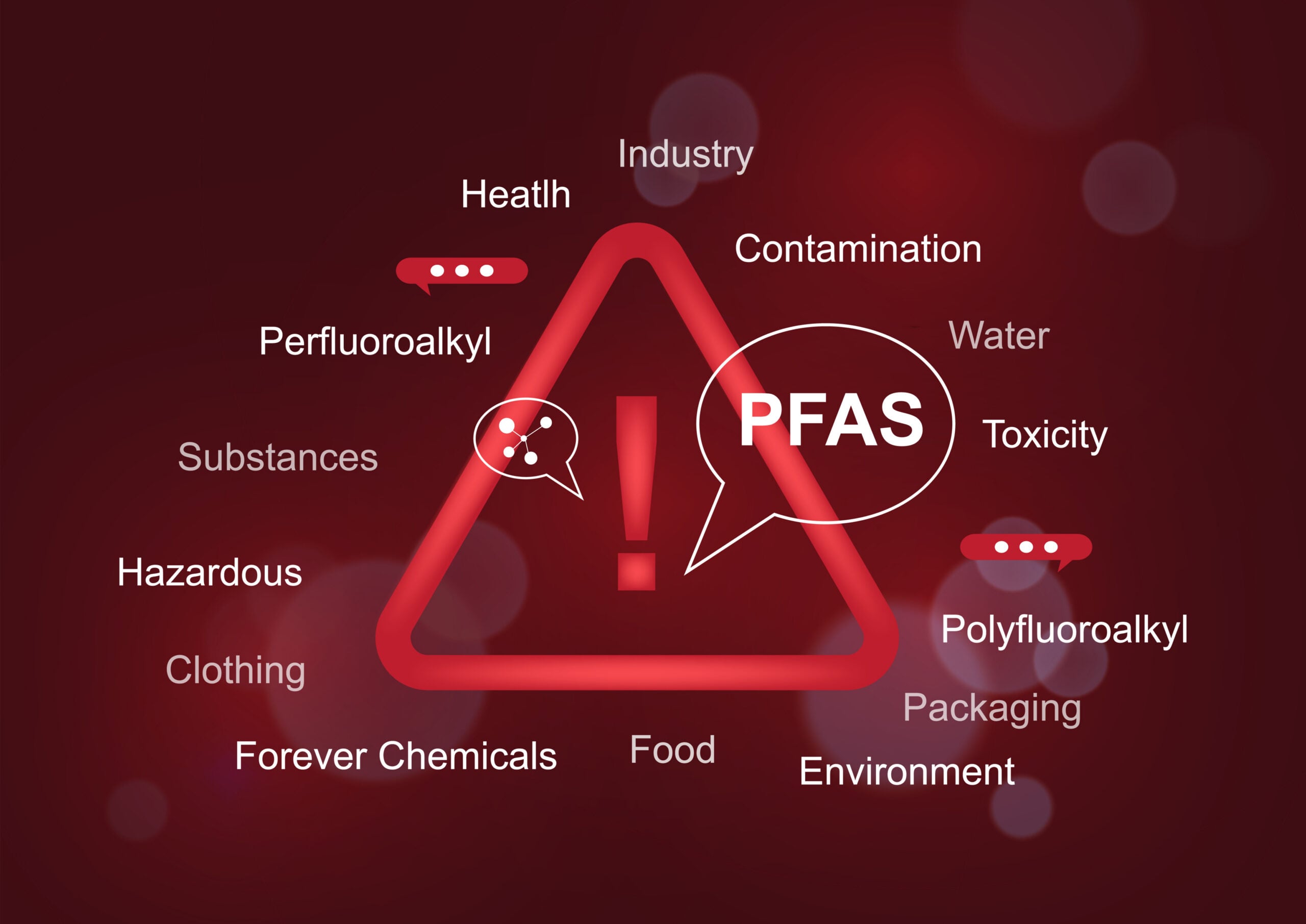
Texas Attorney General Ken Paxton announced on April 13, 2026, that his office has issued a Civil Investigative Demand (CID) to Lululemon Athletica, probing whether the company’s marketing of activewear as wellness-oriented may be misleading if the products contain per- and polyfluoroalkyl substances (PFAS), commonly known as “forever chemicals.” This development highlights growing scrutiny of chemical use in consumer products and raises important questions for shoppers concerned about long-term health risks.
At The Bayne Law Group, our Consumer Rights & Food Safety practice routinely addresses similar issues involving undisclosed or harmful chemicals in everyday items. While this investigation focuses on athletic apparel, it aligns closely with broader concerns about PFAS in food packaging, wrappers, and takeout containers—issues we have highlighted in our work on regulatory compliance and consumer protection. For more on how we help clients and consumers address PFAS and related safety concerns, visit our dedicated page on Consumer Rights & Food Safety.
What Are PFAS and Why Are They a Concern?
PFAS are synthetic chemicals that do not break down easily in the environment or the human body, earning them the nickname “forever chemicals.” They have been linked to serious health effects, including cancer, reproductive harm, endocrine disruption, and other chronic conditions. Manufacturers have historically used PFAS in consumer goods for their water- and stain-repellent properties, including in durable water repellent (DWR) treatments for activewear, food packaging, and more.
Regulatory bodies and independent testing continue to raise red flags about PFAS migration into food or prolonged skin contact. Consumers who purchase products marketed as “safe,” “natural,” or wellness-focused while potentially containing these substances may have legal recourse if companies knew or should have known about the risks.
Details of the Texas Investigation into Lululemon
According to AG Paxton’s announcement, the CID seeks information on whether Lululemon’s labeling and marketing practices comply with Texas consumer protection laws. The probe examines whether the presence of PFAS in certain activewear items contradicts the brand’s wellness-oriented messaging.
Lululemon has stated that it phased out PFAS from its DWR treatments in early 2024 (with some phase-out beginning in fiscal year 2023) and maintains that these treatments represented only a small portion of its products. The company has pledged full cooperation with the investigation and asserts it does not currently use PFAS in its offerings.
This action reflects a growing trend of state attorneys general and regulators holding companies accountable for chemical disclosures in consumer goods. It echoes concerns we see daily in our practice involving FDA and USDA-regulated products, where misleading claims about safety can trigger class-action claims for economic loss, restitution, or injunctive relief.
What About Aerie Yoga Pants and Similar Brands?
Many consumers have also asked about popular alternatives such as Aerie (a line from American Eagle Outfitters). Unlike Lululemon, Aerie has not been targeted in this specific investigation. American Eagle publicly committed years ago to eliminating PFAS across its products, with a target completion date of 2024. Major independent testing reports (such as the 2022 Mamavation/EHN study on leggings) did not flag Aerie products for elevated PFAS levels.
That said, performance activewear across the industry often relies on synthetic blends for stretch, moisture-wicking, and durability—fabrics where PFAS were traditionally applied. Newer inventory from brands that have completed phase-outs is generally considered lower risk, but older stock or supply-chain variations can differ. Consumers should remain vigilant about product labeling and stay informed as more testing and regulatory actions emerge.
Consumer Rights and Legal Protections in the Face of Chemical Exposure
When companies market products as health- or wellness-promoting while potentially exposing consumers to harmful chemicals like PFAS, affected individuals may have claims for:
- Economic damages — Recovery of purchase prices paid under misleading safety representations.
- Restitution — Reimbursement for costs associated with unsafe or misrepresented products.
- Injunctive relief — Court-ordered changes to labeling, reformulation, or marketing practices.
Our firm’s background in FDA, USDA, and product labeling compliance gives us a unique edge in evaluating these cases. We focus on matters backed by regulatory findings, scientific evidence, or internal company knowledge of risks—precisely the type of accountability the Texas investigation seeks to enforce.
PFAS concerns extend far beyond apparel. As noted on our Consumer Rights & Food Safety page, these chemicals continue to appear in food-contact materials, prompting ongoing testing and potential migration into food. Whether the issue involves athletic wear, packaging, or other consumer goods, the legal principles of transparency and accountability remain the same.
What Should Consumers Do Next?
- Review your purchases — Check receipts or order histories for Lululemon (or other potentially affected brands) bought in the last few years.
- Monitor updates — Follow developments from the Texas AG’s office and federal regulators.
- Consider alternatives — Look for brands that explicitly market PFAS-free performance fabrics or opt for natural-fiber options where feasible.
- Protect your rights — If you believe you purchased products marketed as safe or wellness-focused that may contain undisclosed PFAS, you may be entitled to compensation or other remedies.
If you have questions about a specific product, recall, or potential claim, our team offers confidential, no-obligation reviews. Simply contact us with basic details (product name, brand, approximate purchase date, and where purchased), and we will evaluate whether you may have a viable claim.
Contact a Consumer Rights & Food Safety Attorney Today
Call us at 888-312-0442 or toll-free at 888-312-0442, or submit your information online for a free review. Offices in Princeton, NJ (headquarters), New York, NY, and Philadelphia, PA.
This article is for informational purposes only and does not constitute legal advice. No attorney-client relationship is formed unless and until The Bayne Law Group LLC accepts your case in writing. Results depend on the specific facts of each matter.